Investing in solar panels in Karachi is one of the fastest ways to protect yourself from the city’s relentless summer bills and unpredictable power supply. In this guide we break down the real numbers behind solar returns, so you can decide whether a rooftop system makes financial sense for your home or business in 2026.
Karachi enjoys some of the highest solar irradiance in Pakistan, which means every kilowatt you install works harder here than in cooler northern cities. That advantage translates directly into faster payback and bigger lifetime savings.
What Makes Karachi Ideal for Solar Energy
The coastal metropolis bakes under sunshine for most of the year, giving rooftops an abundant free fuel source. Long daylight hours and clear skies push generation well above the national average.
Karachi also carries a massive cooling load. Air conditioners run for months, and because they run hardest during the day, their demand lines up beautifully with peak solar output.
Grid reliability and the case for backup
Load-shedding still bites in many neighbourhoods, so a hybrid system with storage keeps essential appliances alive during outages. For businesses, that continuity can mean the difference between a productive shift and a costly shutdown.
The International Renewable Energy Agency notes that solar-plus-storage costs have fallen dramatically worldwide, making backup power more affordable than ever. Karachi buyers are now able to add batteries without wrecking their budgets.
The Real Return on Investment
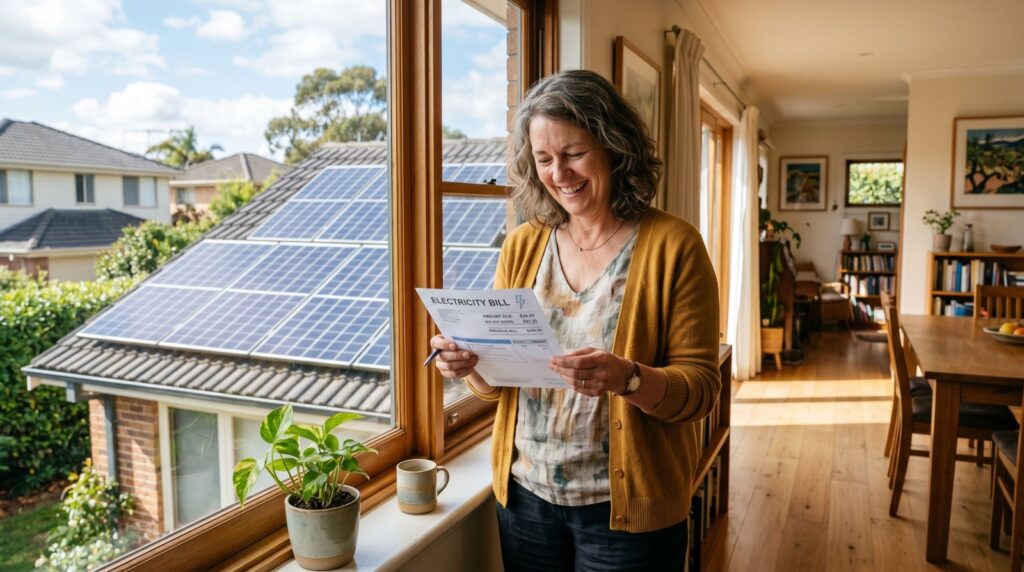
Return on investment is the question every buyer asks, and the answer in Karachi is encouraging. With tariffs climbing and module prices falling, most well-sized rooftop systems now recover their cost within three to five years.
After payback, the electricity your panels produce is essentially free for the remaining two decades of their warranty. That long tail of savings is what turns solar from an expense into an asset.
A snapshot of typical savings
| System Size | Monthly Units Produced | Typical Bill Reduction | Estimated Payback |
|---|---|---|---|
| 5 kW | 650-750 | Up to 70% | 3-4 years |
| 10 kW | 1,300-1,500 | Up to 80% | 3-5 years |
| 15 kW | 1,950-2,250 | Up to 85% | 4-5 years |
| 25 kW+ | 3,250+ | Up to 90% | 4-6 years |
These figures shift with your usage pattern and component quality, but the trend is clear. The heavier your daytime consumption, the faster your panels pay for themselves. Many households choose to install solar panels in Karachi precisely because the coastal sun accelerates that payback.
How Does Net Metering Boost Your Savings?
Net metering is the feature that supercharges solar economics. When your panels generate more than you consume, the surplus flows back to the grid and earns you credits on your bill.
During cloudy spells or at night, you draw those credits back, effectively using the grid as a giant free battery. For Karachi homeowners who are out during the day, this arrangement is especially powerful.
Steps to get net metering approved
- Complete your solar installation with a certified, licensed installer.
- Submit the net-metering application to your distribution company.
- Pass the technical inspection of your inverter and wiring.
- Have a bidirectional meter installed by the utility.
- Start earning credits for every surplus unit you export.
A good installer manages this entire process for you, from documentation to inspection. That hand-holding removes the bureaucratic friction that discourages many first-time buyers.
Choosing Quality Components That Last
Not all hardware performs equally under Karachi’s heat and coastal humidity. Cheaper panels degrade faster, and low-grade inverters fail early, wiping out the savings you were counting on.
Insist on Tier-1 monocrystalline modules and inverters from established brands with local service support. The small premium you pay upfront protects you from expensive replacements later.
Ask each installer to specify the exact model numbers in writing rather than vague brand names. That transparency lets you compare apples to apples and confirm you are getting the equipment you are paying for.
What to look for in a proposal
- Tier-1 panels with a 25-year performance warranty.
- An inverter rated for high ambient temperatures and salty air.
- Corrosion-resistant mounting structures suited to coastal conditions.
- Remote monitoring so you can track output from your phone.
- A clear after-sales service and maintenance agreement.
Reading the fine print pays off. Partnering with reliable local experts ensures your components match Karachi’s demanding climate rather than a generic spec sheet.
Maintenance in a Coastal City
Karachi’s sea air carries salt and dust, both of which settle on panels and shave off a little output. Regular cleaning keeps generation at its peak throughout the year.
Rinse your array every two to three weeks during dry months, and check your monitoring app for any unexplained dips. Catching a fault early prevents small issues from becoming expensive repairs.
These maintenance habits apply across the country, though each city has its own quirks. Homeowners comparing options for solar panels in Islamabad deal with less coastal salt but more seasonal rainfall, so their cleaning schedules differ from Karachi’s dusty coastal routine.
Frequently Asked Questions
How much can I save with solar panels in Karachi?
Depending on system size, most homeowners cut their electricity bills by 70 to 90 percent. Combined with net metering, a properly sized system often pays for itself in three to five years.
Do solar panels work during Karachi’s cloudy monsoon days?
Yes, though output drops on overcast days. Net metering credits banked during sunny periods cover the shortfall, so your savings stay steady across the year.
Is a battery necessary in Karachi?
A battery is optional. If load-shedding affects your area, a hybrid system with modest storage keeps essentials running. Otherwise, an on-grid system with net metering delivers the best returns.
How long does installation take?
A residential 5 kW to 10 kW system is usually installed within two to three days. Net-metering approval from your utility can take a few additional weeks.
Start Cutting Your Bills Today
The math is compelling. With Karachi’s abundant sunshine, rising tariffs, and net metering, solar panels in Karachi deliver returns that few other investments can match in 2026.
Book a free consultation and a detailed savings estimate to see exactly how quickly your rooftop can pay you back. The sooner your system goes live, the sooner your bills start shrinking.