Every dog owner loves their pet, but almost nobody loves cleaning up after them. It’s the one daily chore that never gets easier on its own, and doing it badly means bent backs, dirty hands, and a yard you’d rather not walk across barefoot. The good news is that the right tools genuinely transform the job from something you dread into something you barely think about. This guide walks through what actually works for dog waste cleanup, what to look for in a scooper and bags, and how to keep your yard clean without the daily hassle.
If you’ve ever wrestled with a flimsy plastic bag on a windy morning or bent over one too many times cleaning the lawn, you already know the problem. Dog waste cleanup is unavoidable, but the frustration around it is entirely optional. The difference between a miserable chore and a quick, clean task usually comes down to the equipment you’re using. In this guide, we’ll break down what separates good cleanup tools from bad ones, why it matters for your yard and your health, and how to build a routine that keeps everything under control.
Why Daily Pickup Actually Matters
It’s easy to let dog waste sit for a few days, but the cost adds up faster than most owners realise. Waste burns yellow patches into grass, draws flies and pests, and creates an odour that lingers long after it’s gone. More importantly, it carries bacteria and parasites that can survive in soil for months, posing a genuine risk to children, other pets, and even your own dog. Rain spreads it further, washing contaminants across the whole yard and into storm drains. Picking up daily keeps all of that in check, protects your lawn, and takes far less effort than dealing with a week’s accumulation.
Build a Routine That Sticks
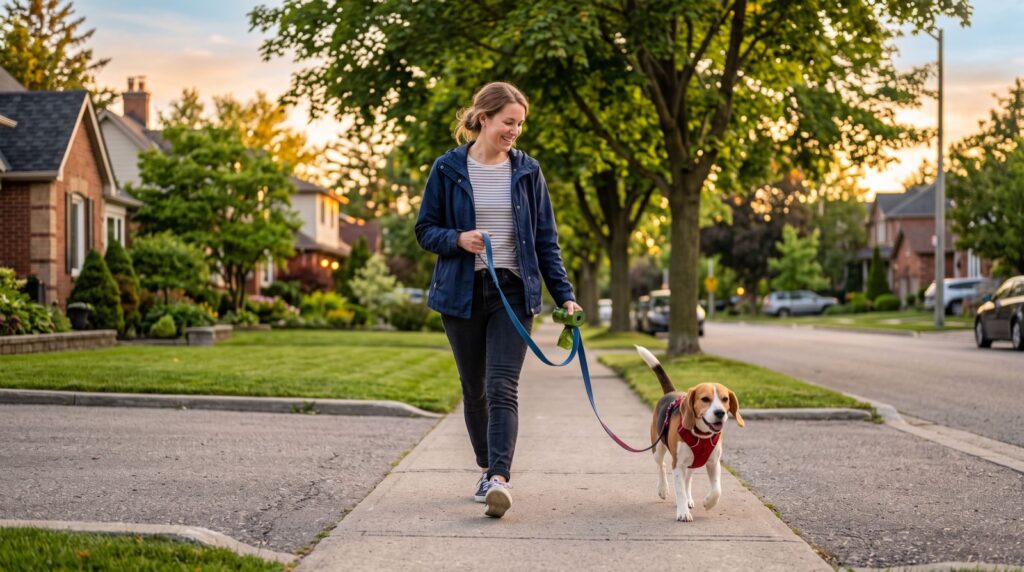
The owners with consistently clean yards are rarely the most disciplined – they’ve just attached the task to something they already do. Cleaning up right after the morning let-out, or during the evening walk, means it happens automatically rather than requiring a decision each day. Keeping your scooper and bags somewhere genuinely convenient, like by the back door, removes the last bit of friction. Waste that’s picked up daily takes moments; waste left for a week becomes a job you keep postponing. The routine matters more than the effort, because small and consistent always beats occasional and overwhelming. For genuinely mess-free cleanup, owners increasingly rely on a Gogostik.
What to Look For When Buying
A few practical criteria separate cleanup tools worth owning from ones you’ll replace within months. Look for a handle long enough that you stand upright, construction sturdy enough to survive being left outdoors, a design with minimal moving parts, and bags thick enough that they never tear or leak. Ease of cleaning matters too – anything that traps residue becomes unpleasant fast. It’s also worth checking that the tool suits your dog’s size and your yard’s terrain, since gravel, grass, and patio each behave differently. Spending slightly more on gear that lasts is consistently cheaper than replacing cheap equipment repeatedly.
Health Risks Worth Taking Seriously
Dog waste can carry roundworms, hookworms, giardia, salmonella, and E. coli, and some of these survive in soil for months or even years after the waste itself is gone. Children playing in the yard are the most vulnerable, since contaminated soil transfers easily to hands and then to mouths. Other dogs can be reinfected from the same ground repeatedly, which is a common reason parasite treatments seem not to work. None of this is cause for alarm, but it’s a solid reason to treat prompt cleanup as basic hygiene rather than an optional tidiness chore that can wait for the weekend. Quality and consistency count across the board, including with reliable local experts.
Disposal Done Properly
How you dispose of waste matters nearly as much as picking it up. Dog waste should never go in compost intended for gardens or vegetables, since the pathogens it carries survive ordinary composting temperatures and can contaminate soil you grow food in. Securely tied bags in a designated bin are the standard, practical solution for most households. Some owners use dedicated waste digesters, which work well in the right conditions. Whatever the method, sealing waste properly stops odour and keeps pests away, which is exactly what makes a clean yard feel clean rather than just technically tidy.
The Problem With Cheap Bags
Thin, low-cost waste bags are the single most common source of cleanup frustration. They tear at the worst possible moment, stretch until they’re useless, and often can’t be tied securely, which defeats the entire purpose. Many are also far too small for larger dogs or multi-dog households. A properly heavy-duty bag holds its shape, resists punctures from sticks and gravel, and seals reliably so nothing leaks on the walk to the bin. The price difference per bag is genuinely tiny, but the difference in daily experience is enormous. This is the easiest upgrade any dog owner can make. It’s well worth looking at Pooper Scooper with Bag before your next purchase.
Key Takeaways
- Why Daily Pickup Actually Matters: It’s easy to let dog waste sit for a few days, but the cost adds up faster than most owners realise.
- Build a Routine That Sticks: The owners with consistently clean yards are rarely the most disciplined – they’ve just attached the task to something they already do.
- What to Look For When Buying: A few practical criteria separate cleanup tools worth owning from ones you’ll replace within months.
- Health Risks Worth Taking Seriously: Dog waste can carry roundworms, hookworms, giardia, salmonella, and E.
- Disposal Done Properly: How you dispose of waste matters nearly as much as picking it up.
- The Problem With Cheap Bags: Thin, low-cost waste bags are the single most common source of cleanup frustration.
The Bottom Line
Dog ownership comes with responsibilities, and cleanup is the one that shows up every single day. Treat it as basic hygiene rather than an optional chore, equip yourself properly, and it stops being a burden. Your lawn stays healthy, your family stays safe, and you get to spend your time enjoying your dog instead of cleaning up after them.
A clean yard is better for your grass, safer for your family, and far more pleasant to spend time in. None of that requires more effort – just better equipment and a consistent routine. Once daily pickup becomes automatic and your tools actually work properly, the whole job quietly disappears into the background of owning a dog.