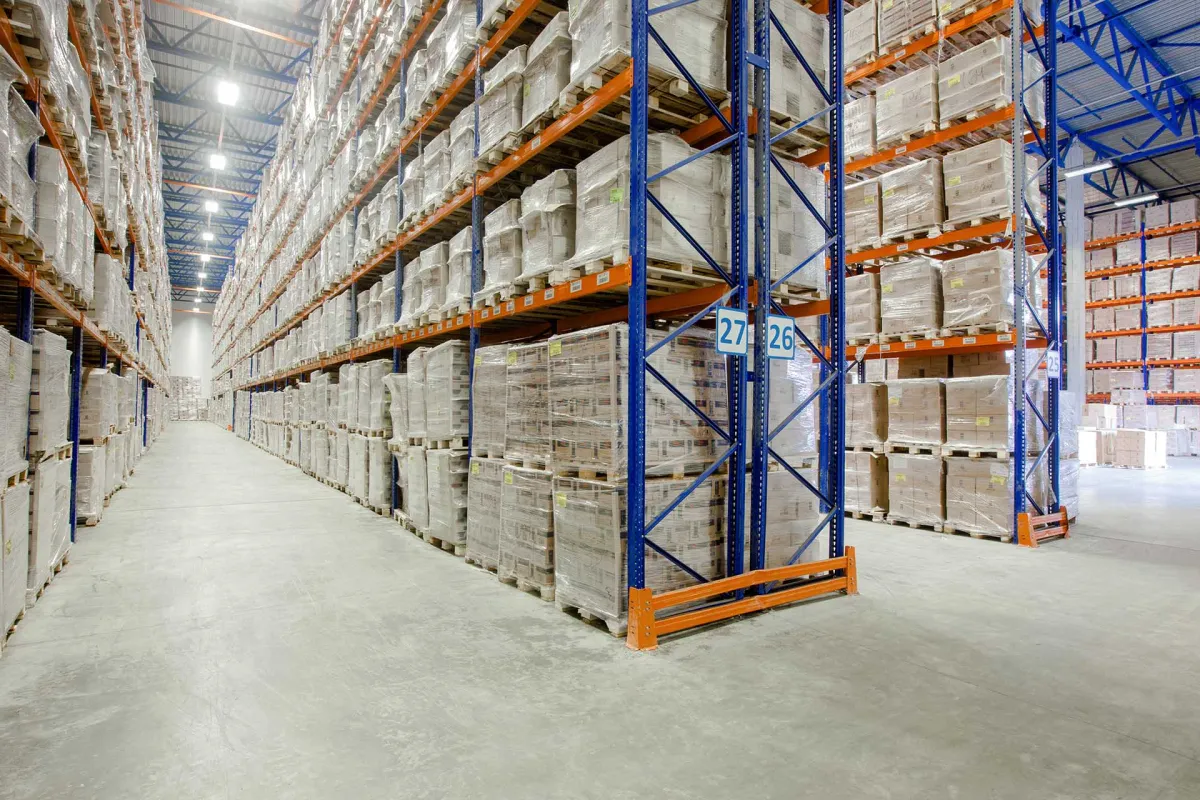

In today’s fast-paced business environment, fixed assets—buildings, machinery, vehicles, IT equipment, and furniture—represent a significant portion of an organization‘s capital investment. Yet, many companies struggle to track these assets effectively, leading to financial inaccuracies, operational inefficiencies, and compliance risks.
A professional Fixed Asset Management System provides organizations with a centralized platform to track, manage, and optimize their capital assets throughout their entire lifecycle—from acquisition to disposal . By moving beyond outdated spreadsheets and manual processes, businesses gain real-time visibility into asset location, condition, value, and depreciation, ensuring accurate financial reporting and maximizing return on investment.
This comprehensive guide explores the value of Fixed Asset Management Systems across the Kingdom and demonstrates why Hexture is the top company for smart, integrated asset management solutions in Saudi Arabia .
Fixed Asset Management System: The Foundation of Financial Control
A Fixed Asset Management System is a comprehensive framework for managing an organization’s tangible assets that are used in daily operations over a long period—typically exceeding one fiscal year . These assets are not acquired for direct resale but serve in the production of goods, provision of services, or support of operational activities.
What Are Fixed Assets?
Fixed assets, also known as capital assets, are tangible or intangible properties owned by an organization and used in carrying out its daily operations over an extended period . They form an essential part of the infrastructure of any organization and include:
- Tangible Assets: Buildings, machinery, equipment, furniture, vehicles, IT hardware
- Intangible Assets: Trademarks, copyrights, long-term licensed software, goodwill
- Infrastructure Assets: Roads, power plants, utilities
An organization’s assets are recorded in accounting books under non-current assets, and their value is gradually deducted through depreciation, which reflects the gradual decline in value due to usage or obsolescence . Accurate management of these assets is crucial, as it directly impacts the organization’s financial position, operational efficiency, and future investment decision-making.
The Regulatory Imperative in Saudi Arabia
A landmark development driving fixed asset management adoption is the Royal Decree (No.13059) issued on December 15, 2016, which requires all governmental institutions in Saudi Arabia to convert from cash basis to the accrual basis of accounting using IPSAS Standards . This transition requires all governmental entities to recognize, record, tag, and value their assets systematically.
For businesses contracting with the government or operating in regulated sectors, accurate asset records are now a prerequisite for compliance. The Ministry of Finance has been actively championing this transition, highlighting the Kingdom’s commitment to financial transparency and enhanced governance.
Key Features of a Professional Fixed Asset Management System
A comprehensive Fixed Asset Management System provides:
- Complete Asset Registry: Centralized database with detailed information for each asset, including location, serial number, condition, purchase date, value, and useful life
- Asset Lifecycle Management: Tracking from purchase through usage, maintenance, transfer, and disposal
- Automated Depreciation Calculation: Accurate depreciation according to accounting standards with customizable methods (straight-line, declining balance, units of production)
- Asset Tagging and Tracking: Barcodes, QR codes, or RFID for instant identification and real-time tracking
- Audit Trails: Complete history of all activities, changes, and transactions involving each asset
- Integration Capabilities: Connection with financial, HR, and project management systems for seamless data flow
- Smart Reporting: Real-time reports on asset distribution, condition, book value, and maintenance schedules
Why Your Organization Needs a Digital Fixed Asset Management System
With the accelerating pace of work and the growing volume of assets within organizations, relying on a digital system for managing operational assets has become an indispensable strategic step . Key benefits include:
- Comprehensive Asset Tracking: Track each asset from the moment of purchase to the end of its lifecycle, recording all related data such as location, condition, responsible personnel, and depreciation schedule
- Centralized Management: Provides a unified database for all assets, making information easily accessible anytime and from anywhere
- Accurate and Instant Reporting: Automatically generates up-to-date financial and administrative reports, supporting decision-making based on real-time data
- Enhanced Inventory Efficiency: Simplifies periodic inventory processes and saves time and effort compared to traditional manual methods
- Smart Maintenance Alerts: Sends automatic notifications for scheduled maintenance or license renewals, extending asset lifespan and reducing unexpected costs
- Loss Reduction: Through precise tracking and clear assignment of responsibility, the risk of loss or misuse is significantly minimized
- Support for Digital Transformation: Aligns with Saudi Arabia’s direction toward digitalizing administrative processes and contributes to achieving the goals of Vision 2030
Fixed Asset Management System in Saudi Arabia: Regulatory Landscape and Market Growth
The demand for professional Fixed Asset Management System in Saudi Arabia is experiencing unprecedented growth, driven by the Kingdom’s rapid digital transformation under Vision 2030 and the establishment of comprehensive financial reporting standards .
Regulatory Framework
The Saudi Arabian Monetary Authority (SAMA) and other regulatory bodies have imposed regulations that require the digitization and accurate reporting of financial records. Key frameworks include:
- IPSAS (International Public Sector Accounting Standards) : Mandated by Royal Decree for all governmental institutions, requiring accrual accounting and proper asset recognition
- IFRS (International Financial Reporting Standards) : Applicable to publicly listed companies and financial institutions
- ZATCA (Zakat, Tax and Customs Authority) : Requires accurate asset records for tax calculation and reporting
Market Drivers
The Saudi Arabia Fixed Asset Management market is anticipated to show significant growth through 2031. Key drivers include:
- Digital Transformation Under Vision 2030: The Kingdom’s direction toward digitizing administrative processes has significantly accelerated the adoption of digital asset management solutions
- Complexity of Asset Portfolios: Saudi organizations, particularly in oil & gas, construction, and healthcare, manage increasingly complex asset portfolios
- Compliance Requirements: Strict regulatory demands necessitate accurate, auditable asset records
- Sector-Specific Needs: Different sectors have unique asset management requirements—from heavy equipment in oil & gas to medical devices in healthcare
Fixed Asset Management System in Riyadh: The Capital’s Corporate Hub
Riyadh, as the administrative and financial capital of Saudi Arabia, is at the forefront of fixed asset management adoption. The city hosts the headquarters of major government ministries, banks, and corporations, all of which require robust asset management solutions to manage vast portfolios of capital assets.
Government Leadership in Riyadh
With the mandatory transition to accrual accounting under IPSAS standards, government entities in Riyadh are required to recognize, record, tag, and value their assets systematically . This has created significant demand for professional fixed asset management services and systems.
The Capital Market Authority and other oversight bodies in Riyadh conduct regular audits, and entities must provide proof of existence for capitalized assets. Hexture’s solutions are designed to meet these stringent requirements.
Corporate Requirements in Riyadh
Riyadh’s corporate sector requires high-performance asset management systems with:
- Advanced security features for sensitive asset data
- Integration with existing ERP systems for seamless financial reporting
- Real-time tracking capabilities across multiple locations
- Comprehensive audit trails for regulatory compliance
- Automated depreciation according to IFRS standards
Experienced service providers in Riyadh offer a range of services including fixed assets policies and procedures, fixed assets accounting and register, physical counting, tagging, valuation, and training .
Fixed Asset Management System in Jeddah: The Commercial Gateway
Jeddah, as the commercial hub and primary port city on the Red Sea, has unique asset management needs driven by trade, logistics, hospitality, and healthcare sectors.
Industrial and Commercial Applications
In Jeddah, Fixed Asset Management Systems are crucial for:
- Warehouse and Logistics Operations: Tracking high-value equipment, racking systems, and material handling assets
- Hospitality Industry: Managing furniture, fixtures, and equipment (FF&E) across multiple properties
- Healthcare: Tracking medical devices, patient monitoring equipment, and facility assets
Real Estate Asset Management
The real estate sector in Jeddah has seen significant adoption of integrated asset management platforms. For example, the Ayedh Dejem Group implemented Yardi solutions including Yardi Fixed Assets to gain transparency and oversight of its mixed-use real estate portfolio in the Kingdom .
Fixed Asset Management System in Dammam: The Industrial Powerhouse
Dammam and the Eastern Province are the heart of Saudi Arabia’s oil, gas, and petrochemical industry. Asset management in this region focuses on the rugged demands of heavy industry.
Heavy Equipment and Industrial Assets
Industrial sites in the Eastern Province hold millions of dollars worth of heavy machinery, pipe fittings, specialized tools, and safety equipment. Professional Fixed Asset Management Systems in Dammam must be durable enough to withstand harsh environmental conditions—including humidity, sand, and corrosive elements—while delivering accurate tracking.
Compliance and Safety Records
Industrial facilities require meticulous documentation of safety equipment, maintenance logs, and compliance certificates. A robust Fixed Asset Management System ensures that critical safety assets are logged, inspected, and exactly where they should be in case of emergency. The system also supports maintenance scheduling to extend asset lifespan and reduce unexpected downtime.
Hexture: Your Top Partner for Fixed Asset Management in Saudi Arabia
When it comes to securing, managing, and optimizing your organization’s capital assets, Hexture stands as the top company for Fixed Asset Management Systems in Saudi Arabia. Founded in Riyadh, Hexture combines deep technical expertise with a comprehensive understanding of the Kingdom’s unique regulatory landscape .
Why Hexture is the Leading Choice
Smart, Integrated Asset Management Solutions: Hexture offers fixed asset management systems specifically designed to meet the needs of Saudi institutions across various sizes and sectors. Their solutions help organizations track their assets, optimize usage, and ensure preservation of both operational and financial value .
Complete Asset Lifecycle Management: From the moment of purchase to the point of disposal, Hexture’s system allows you to track every stage of usage and maintenance. The platform offers automated features that cover asset lifecycle management, including :
- Detailed asset registration with location, serial number, condition, purchase date, and value
- Asset tagging with barcodes or QR codes for instant identification
- Maintenance scheduling and service history tracking
- Transfer and disposal management with complete audit trails
Automated Depreciation According to Accounting Standards: Hexture’s system provides accurate depreciation calculations according to IFRS and local standards, with the option to customize depreciation methods based on the type of asset . This automation ensures your books are always audit-ready and compliant.
Instant and Smart Reporting: Generate detailed reports on asset distribution, condition, book value, and maintenance schedules instantly. These reports support senior management in shaping financial and investment policies based on real-time, accurate data . Traditional manual systems, in contrast, often produce reports that are outdated before they are even printed.
Seamless Integration with Other Systems: Hexture’s Fixed Asset Management System can be linked with human resources, financial, or project management systems to achieve the highest level of consistency between the organization’s departments . This integration ensures that data flows seamlessly across your enterprise systems.
Reduced Asset Loss and Improved Inventory Efficiency: Through precise tracking and clear assignment of responsibility, the risk of loss or misuse is significantly minimized. The system simplifies periodic inventory processes and saves time and effort compared to traditional manual methods . Smart alerts notify administrators of scheduled maintenance or license renewals, extending asset lifespan and reducing unexpected costs.
Alignment with Vision 2030 and Regulatory Compliance: Hexture’s solutions are designed to support Saudi Arabia’s direction toward digitizing administrative processes and contribute to achieving the goals of Vision 2030 . The system ensures compliance with IFRS, Zakat, and tax regulations, as well as the mandatory IPSAS standards for government entities requiring accrual accounting.
Expert Implementation and Ongoing Support: Hexture provides professional consultation, system integration, implementation, and ongoing support. The company’s team combines technical expertise with a deep understanding of the Saudi market’s needs, enabling them to design customized solutions tailored to the specific nature of each organization .
Don’t let hidden assets drain your profits or compromise your audit readiness. Partner with Hexture to digitize, secure, and optimize your capital assets.
Visit their website at hexture.net to schedule a discovery call or request a free consultation for your Riyadh, Jeddah, or Dammam office.
Conclusion
Fixed asset management has become a fundamental pillar for ensuring institutional performance sustainability and maximizing the efficient use of organizational resources . In a rapidly modernizing Saudi economy, knowing the location, condition, and value of every capital asset is the baseline for financial accuracy and operational efficiency.
Fixed Asset Management Systems transform chaotic manual tracking into organized, verifiable, and auditable digital records. Professional systems utilize advanced technologies such as barcoding, RFID, cloud-based platforms, and AI-driven analytics to deliver fast, accurate, and compliant asset management solutions.
In Riyadh, Jeddah, and Dammam, the demand for professional Fixed Asset Management Systems is rising across all sectors—from government and finance to logistics, healthcare, and heavy industry. The Kingdom’s push for digital transformation under Vision 2030, combined with regulatory mandates such as IPSAS for government entities and IFRS for private sector organizations, makes professional asset management not just a best practice but a legal requirement .
Hexture stands as the top company for Fixed Asset Management Systems in Saudi Arabia, offering smart, integrated, and compliant solutions that provide complete asset lifecycle management, automated depreciation, seamless system integration, and instant, actionable reporting .
Do not let the true value of your capital assets stay hidden. Contact Hexture today. Visit hexture.net.
Frequently Asked Questions (FAQs)
1. What is the difference between a simple asset tracking spreadsheet and a professional Fixed Asset Management System?
A basic spreadsheet might list assets and locations, but a professional Fixed Asset Management System is a comprehensive solution that includes lifecycle tracking, automated depreciation calculation according to IFRS standards, audit trails for every transaction, maintenance scheduling, integration with financial systems, role-based access controls, and real-time reporting. Spreadsheets are prone to human error, lack audit trails, and cannot scale with organizational growth .
2. Is a Fixed Asset Management System mandatory for government entities in Saudi Arabia?
Yes. Royal Decree No.13059 (issued December 15, 2016) requires all governmental institutions to convert from cash basis to accrual accounting using IPSAS Standards . This transition requires all government entities to recognize, record, tag, and value their assets systematically. A professional Fixed Asset Management System is essential for compliance.
3. Can Hexture’s Fixed Asset Management System handle multi-branch organizations?
Yes. Hexture’s system is designed to support organizations with multiple branches, departments, and locations. It enables asset transfers between branches, maintains location history, and provides consolidated reporting across the entire organization.
4. How does Hexture calculate depreciation for fixed assets?
Hexture’s system provides accurate depreciation calculations according to accounting standards, with the option to customize depreciation methods based on the type of asset—including straight-line, declining balance, and units of production methods . The system automatically updates financial records and generates depreciation reports for audit purposes.
5. Can Hexture’s Fixed Asset Management System integrate with our existing ERP or accounting software?
Yes. Hexture specializes in seamless integration of Fixed Asset Management Systems with existing enterprise applications such as HR, financial accounting, and project management systems . This integration ensures that data flows consistently across departments, eliminating redundancy and ensuring all systems reference the same authoritative asset records.